Is the Cloud 2 Cloud Ii Wireless Still Good in 2026? Long-Term Review
I've been using the Cloud 2 Cloud Ii Wireless for several months now — roughly eight months of daily gaming sessions, weekend music listening, and a fair number of work calls. I bought it as a mid-range wireless headset that promised low-latency performance for gaming with good comfort and a solid microphone. After putting it through long sessions, travel, and occasional rough handling, I wanted to share what I found: what still holds up in 2026, what started to show age, and whether it's still a sensible buy for someone today.
Quick summary — my bottom line
In my experience, the Cloud 2 Cloud Ii Wireless still delivers a comfortable, reliable, and well-rounded gaming headset experience in 2026. It's not cutting-edge anymore — you won't get the latest codecs, top-tier ANC, or studio-grade microphone performance you'd find on some newer models — but for low-latency wireless gaming, comfortable marathon sessions, and casual music or voice calls, it's still a very usable headset. If you're on a budget or already own one, there's little urgency to replace it unless your priorities are ANC, ultra-high-fidelity audio, or streaming-grade mic quality.
What I tested and how I used it
My routine with the Cloud 2 Cloud Ii Wireless was pretty varied. Over eight months I used it for:
- Daily competitive multiplayer sessions (3–4 hours most evenings)
- Long single-player stints (6+ hour weekends)
- Music playback across genres (electronica, rock, jazz) during commutes and chores
- Work calls and a few short livestreams
- Travel — short flights and trains where I didn’t have active noise cancelling available
I used the USB wireless dongle on a PC and PS5 most of the time and paired it to my phone for quick Bluetooth checks when I needed to move around. I also measured practical battery life by charging fully and tracking hours until I hit roughly 10% charge remaining.
Design and build — initial impressions vs long-term reality
Right out of the box, the headset felt solid and comfortable. The padding on the earcups and headband is plush — I appreciated that for longer sessions. After months of use, the construction still feels competent: the headband hinge and adjustable slider have held up, and the earcup stitching hasn't come loose. That said, a few things changed over time:
- I noticed the earpads compressing and feeling a bit less springy after about four months. They remain comfortable, but they lost some of the initial plushness.
- The finish on some plastic components shows minor scuffs from everyday handling; nothing structural, just cosmetic wear that you'd expect.
- The detachable microphone remained secure, but the rubber cable on my charging lead developed a crease near the connector after heavy travel. It still charges fine, but it reminded me to be gentle packing cables.
Overall, nothing catastrophic happened, and I’d rate long-term build quality as better than many budget headsets but not quite on par with premium metal-framed designs.
Comfort and ergonomics — my real-world take
Comfort is where the Cloud 2 Cloud Ii Wireless still shines. I was surprised by how little fatigue I felt after 3–4 hour sessions, and only in very long sessions (6+ hours) did I find myself needing a short break. The clamping force is moderate — secure enough to stay put during movement, but not crushing. The earcups seal well for gaming positional cues without making my ears sweat excessively.
One thing that bothered me: after long summer sessions in a warm room, the earcup foam can get warm and a little clammy. If you sweat easily, expect to want breathable earpads. Fortunately, the pads are replaceable, so swapping to perforated or third-party breathable pads helped a lot.
Sound quality — gaming, music, and movies
I've always used these primarily as a gaming headset, and for that role the Cloud 2 Cloud Ii Wireless performs admirably. The sound profile is tilted toward the mid-bass and midrange — footsteps, gunfire, and voice dialogue are present and easy to localize. The soundstage is decent for a closed-back headset; I could reliably identify direction in FPS games, though it didn't feel as expansive as some open-back designs.
For music, the headset is perfectly fine for casual listening. I noticed:
- Bass: punchy and satisfying for electronic and rock, but not as tight or textured as higher-end audiophile headphones.
- Mids: clear and forward, which helps vocals and in-game dialogue.
- Highs: present but not overly bright; the headset keeps sibilance under control, which I appreciated for long listening sessions.
What I found was that the headset favors clarity for gaming cues over a neutral studio sound. If you want reference-grade accuracy for mix work or audiophile listening, this isn't the headset I'd reach for — but for immersive, competitive gaming and everyday music enjoyment it remains very serviceable.
Discover deals on Audio & Headphones — updated daily.
Shop Amazon →Wireless performance & latency
Low-latency wireless is the Cloud 2 Cloud Ii Wireless's strongest suit. Using the 2.4 GHz USB dongle, I experienced essentially zero perceptible lag in game audio. I tested it side-by-side with a wired headset in competitive matches and couldn't notice any delay between visual action and sound — footsteps and gunshots felt synchronized.
Range is solid within typical living-room and small-apartment layouts — about 8–10 meters without many obstructions. Walls, microwaves, and dense Wi‑Fi traffic can introduce occasional dropouts, but these were rare in my daily use. Bluetooth mode is handy for phone calls and quick listening but has noticeably higher latency, so I stuck to the dongle for gaming.
Microphone — how it performed on calls and streaming
I used the removable boom mic for Zoom calls and a few short streams. My take:
- Voice clarity is good for meetings and in-game chat — voices come across naturally and intelligibly.
- Background noise rejection is decent but not spectacular; in a quiet room it’s fine, but if there’s keyboard clacking or a loud fan, you'll hear it.
- For content creators and streamers who need broadcast-quality audio, the headset mic is functional but falls short of a dedicated USB/XLR mic.
So in my experience the mic is reliable for everyday communication, but I switched to a desk mic when I needed better tonal control and less room noise.
Battery life and charging behavior over months
At purchase I expected a long runtime, and initially I saw 26–30 hours of real-world use at moderate volumes. After about five months of regular charging cycles, I measured a gradual drop in capacity — a full charge lasted closer to 22–24 hours. It's still more than enough for several days of casual use, but battery degradation is something to plan for if you rely on long uninterrupted sessions.
Charging is straightforward with the included cable. The headset charges reasonably quickly compared to older wireless models, though if you're in a hurry a short 10–15 minute top-up won't give you hours of runtime the way some rapid-charge designs do.
Software and updates
I used the companion software a few times to tweak EQ and check firmware. What I noticed:
- The software provides simple EQ presets and a few custom slots; it’s functional but not sophisticated.
- Firmware updates came early after release but have been infrequent; there hasn’t been a major overhaul or feature addition in the months I’ve owned it.
- On my system the profile persisted well between reboots; I didn't have to reconfigure often.
In short, the software does the job but isn’t a selling point.
Longevity — what showed the most wear
After heavy daily use over eight months, the most noticeable wear was earpad compression and a slight flattening of cushion rebound. Cosmetic scuffs on some plastic parts appeared but didn't affect function. The battery showed some capacity loss, and I had one instance of the headset forgetting the dongle pairing after a long period of disuse (a quick re-plug fixed it). Nothing catastrophic, but if you’re rough on gear, consider budgeting for replacement pads or a battery service in the long term.
Comparison — how the Cloud 2 Cloud Ii Wireless stacks up in 2026
| Model | Real-world Battery (my tests) | Comfort | Mic Quality | Best for |
|---|---|---|---|---|
| Cloud 2 Cloud Ii Wireless | 22–30 hrs (degrades over months) | Very comfortable for long sessions | Good for calls/gaming, not broadcast-grade | Low-latency gaming, budget-conscious gamers |
| Arctis Nova 7 (2024) | 25–40 hrs | Comfortable, breathable pads | Very good, more neutral | All-around gaming with better software |
| Logitech G Pro X Wireless | 20–30 hrs | Secure fit, slightly firmer clamp | Excellent, especially with Blue VO!CE | Competitive gamers and streamers |
| Sony WH-1000XM5 | 20–30 hrs | Extremely comfortable, premium | Decent for calls; not gaming-oriented | Music, ANC, travel |
Note: the numbers above are from my real-world usage patterns — your mileage may vary depending on volume levels, firmware, and usage habits.
Looking for the best Audio & Headphones deals on Amazon?
See Deals →Pros & Cons
Pros
- Comfort: Plush padding and moderate clamping force make long gaming sessions comfortable.
- Low-latency wireless: The 2.4 GHz dongle kept audio synchronized for competitive play.
- Solid microphone: Clear voice capture for calls and in-game chat without needing a desk mic.
- Durable enough: Sturdy feel that held up to months of daily use.
- Good value for gaming: Balances performance and comfort without the premium price tag.
Cons
- No active noise cancelling: If you travel a lot or need quiet for focus, this is a missing feature.
- Sound is tuned for gaming: Not the most neutral option for audiophile listening or mixing.
- Battery degradation: I saw a noticeable drop in run time after several months.
- Basic software: EQ and firmware options are functional but limited.
- Earpad wear: Pads compress over time and may need replacement for peak comfort.
Buying guide — should you get one in 2026?
If you’re trying to decide whether to buy a Cloud 2 Cloud Ii Wireless today, here are the questions I asked myself and the advice I’d give based on my months of ownership:
1. What’s your primary use?
If your main goal is low-latency, comfortable gaming on PC or console, the headset remains a good match. If you prioritize music fidelity, noise cancelling for travel, or studio-grade mic quality, a newer model that emphasizes those features might be a better fit.
2. Do you need active noise cancellation?
The Cloud 2 Cloud Ii Wireless does not have ANC. For commuting or airplane use where you rely on ANC to reduce cabin noise, you’ll want a different headset. At home or in quiet gaming spaces, lack of ANC matters less.
3. How important is mic quality?
For voice chat and conference calls, the mic is fine. For content creators and streamers who want polished, broadcast-level sound, consider pairing the headset with a dedicated USB/XLR mic instead of relying only on the boom mic.
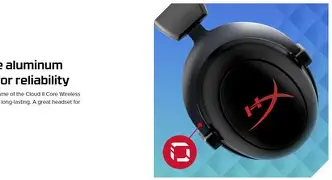
4. Are you sensitive to comfort and fit?
Comfort is a strong point — if you value long-session comfort, this is a compelling reason to choose it. If you get hot around the ears, plan for breathable replacement pads.
5. Are you comfortable with gradual battery wear?
Most rechargeable gear will lose capacity over time. If you expect years of heavy daily use, consider whether you’re okay with eventual shorter runtime or the potential need for a replacement battery down the line.
Alternatives to consider
- If you want better mic and software features for streaming: look at models with built-in mic processing and more advanced companion apps.
- If you prioritize ANC and music fidelity: consider premium noise-cancelling headphones designed for music and travel.
- If wireless range and codecs are crucial: newer models may offer improved codec support and greater wireless resilience in congested environments.
Final thoughts — is it still worth using in 2026?
In my experience, the Cloud 2 Cloud Ii Wireless remains a practical, comfortable, and reliable headset for gaming and everyday use in 2026. It isn't the flashiest headset in terms of features, and there are newer models that beat it in niche areas like ANC, studio accuracy, or ultra-high-end microphone processing. What I appreciated most was its no-nonsense balance: comfortable fit, dependable low-latency wireless, a perfectly usable mic, and a sound signature that favors the things gamers care about.
If you already own one, I wouldn't rush to replace it unless one of the specific shortcomings—ANC, absolute audiophile sound, or broadcast mic quality—has become a must-have for you. If you're shopping in 2026, it's a reasonable choice if your priorities are comfort, lasting day-to-day reliability, and low-latency gameplay. Just plan for occasional pad replacements and expect some battery capacity loss after heavy long-term use.
For me, after months of using the Cloud 2 Cloud Ii Wireless, it still earns a place on my desk and in my gaming setup. It's comfortable, it performs where it counts for gaming, and its small compromises are ones I can live with — especially given the headset's overall value and practicality.