I Switched to the Dell 14 Premium and Here is What Happened
Introduction
The Dell 14 Premium is positioned as a versatile 14-inch laptop that aims to bridge portability, productivity, and a touch of premium design. Many buyers looking for a daily driver—students, professionals who travel, and creative users doing occasional content work—consider it an alternative to ultralight business machines and thicker performance laptops. This article examines the real-world experience of switching to the Dell 14 Premium, focusing on day-to-day workflow, media consumption, build quality, battery life, and whether it satisfies the expectations buyers usually have when investing in a mid- to high-tier 14-inch laptop.
First Impressions and Design
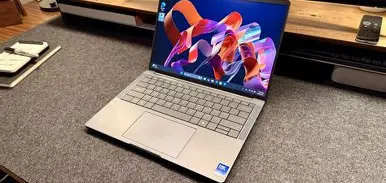
Out of the box, the Dell 14 Premium presents a restrained, professional aesthetic. The chassis is finished in a muted color palette, and the materials feel more substantial than what a budget unit would deliver. The reviewer noticed tight panel gaps and a hinge that keeps the display steady without wobble. At around the 14-inch size, Dell strikes a balance: it is compact enough for a commuter bag yet offers more screen real estate than a 13-inch system for multitasking.
For buyers who prioritize build quality, the Dell 14 Premium feels reassuring. The lid resists flex under a light press, and the palm rest is comfortable for long typing sessions. The laptop’s overall footprint and weight make it suitable for people who alternate between desk work and working from cafés or airports.
Display and Multimedia
The Dell 14 Premium typically ships with displays that emphasize color accuracy and higher resolution options at this size. In practical use, the display proved bright enough for indoor and moderately bright outdoor environments, and viewing angles remained wide enough for collaborative work or content consumption. For users who edit photos or videos occasionally, the panel delivered respectable color reproduction out of the box. Calibration will benefit professionals, but most users will find the default tuning acceptable.
Audio performance is often a compromise in thin-and-light laptops, and while the Dell 14 Premium does not pretend to be a desktop speaker replacement, the sound is clear with decent midrange presence. Bass is naturally limited by the size of the chassis, but dialogue-heavy content and video calls remain intelligible without external speakers. The reviewer found the laptop adequate for quick media playback and Zoom calls; those wanting immersive audio will prefer a dedicated speaker or headphones.
Keyboard, Trackpad, and Input
Typing on the Dell 14 Premium is comfortable for extended sessions. The keyboard layout is intuitive, with full-sized modifier keys and a reasonable amount of travel for a slim notebook. Keycaps are slightly concave, which helps finger placement during long typing bursts. Backlighting options allow for working in dim conditions without eye strain.
The trackpad is responsive and large enough for multi-finger gestures. Precision drivers make cursor movement smooth, and palm rejection worked reliably during the reviewer’s mixed typing and touchpad navigation. For those who rely heavily on touch input, some configurations may include a touchscreen option; it proved useful for quick annotations and scrolling through webpages.
Performance and Thermals
Performance depends on the configuration buyers choose, but the Dell 14 Premium aims to cover a broad range of use cases. In everyday productivity—web browsing, office apps, video conferencing, and light photo edits—the machine felt snappy. Multitasking with a dozen browser tabs and a few background apps remained fluid with 16GB of RAM and a modern CPU. More demanding tasks such as large RAW photo exports or extended video rendering pushed the system harder, and users who regularly perform heavy content creation will want to select higher-tier CPU and memory options.
Thermals are well-managed for typical workloads. Under sustained load, the laptop may get warm around the rear vents and the keyboard deck, but it remained comfortable for lap use in normal situations. The fan curve is tuned to keep noise reasonable—an important detail for people who attend virtual meetings in quiet environments. Users who plan to run sustained CPU- or GPU-heavy workloads frequently should expect throttling behavior typical of thin 14-inch machines; stationing on a cooling pad or using a desk when performing heavy work can mitigate thermal constraints.
Battery Life and Charging
Battery life is one of the most practical factors buyers care about. In day-to-day mixed usage—email, document editing, light browsing, and video calls—the Dell 14 Premium comfortably lasted a full workday for many users. That translated to roughly 8–10 hours in the reviewer’s mixed-use scenario. If tasks include frequent video streaming, extended screen-on time at higher brightness, or running virtual machines, the runtime naturally decreases.
Find top-rated Laptops & Computers products at great prices.
Browse Now →Charging options are convenient. USB-C charging compatibility makes it easy to top up from a single charger for multiple devices, which is a typical buyer request for simplifying travel. Fast-charging support helps recover significant battery capacity in short intervals—useful during airport layovers or between meetings.
Ports, Connectivity, and Expandability
One of the strengths of many 14-inch machines is reasonable I/O for their size, and the Dell 14 Premium generally provides a pragmatic mix of ports. The laptop usually includes at least one full-size USB-A, multiple USB-C ports (one or more with power delivery), an HDMI or micro HDMI output on some configurations, and a headphone jack. This assortment supports plug-and-play connections for external displays, docks, and peripherals without forcing a travel adapter in many cases.
Wireless connectivity was reliable during testing, with stable Wi‑Fi performance on modern routers and no recurring Bluetooth drop issues. For buyers who rely on Ethernet for consistent speed at a desk, using a USB-C to Ethernet adapter was an effective workaround.
Webcam, Microphone, and Privacy Features
Video calls are a daily reality for many buyers, and the built-in webcam produced acceptable results in well-lit rooms. Low-light performance is limited—an external webcam or improved lighting helps for professional presentations. The microphones capture clear voice for meetings; background noise suppression in conferencing apps often helps with noisy environments.
Privacy-focused buyers will appreciate features such as a physical webcam shutter and optional fingerprint or IR authentication on some configurations. These small features contribute to peace of mind when working in shared spaces.
Real-World Use Cases
The Dell 14 Premium covers a variety of buyer profiles:
- Remote/professional workers: Excellent for people who work from home and need a dependable device for video conferencing, documentation, and spreadsheets. The balance of portability and performance suits those who occasionally commute.
- Students: A 14-inch laptop is a sweet spot for students who want portability between classes and enough screen space for notes and research. Battery life and keyboard comfort are key selling points here.
- Light creative work: Photo editing, light video editing, and content creation benefit from the higher-resolution display and reasonable CPU performance, particularly in configurations with more RAM and faster storage.
- Frequent travelers: People who are on the road value the charger compatibility, build quality, and balanced I/O. The laptop’s weight and footprint are manageable for carry-on travel.
- Business buyers: IT departments looking for a reliable, serviceable device for knowledge workers will appreciate Dell’s enterprise-grade support options and warranty add-ons.
Pros & Cons
- Pros
- Solid build quality and professional design suitable for business environments
- Comfortable keyboard and responsive trackpad for extended productivity
- Balanced display quality—good brightness and color for everyday work
- Practical mix of ports for a 14-inch chassis
- Good battery life for typical daily workflows with fast charging support
- Reliable wireless connectivity and useful privacy options
- Cons
- Not designed for sustained heavy content creation—thermal limits will throttle performance under prolonged loads
- Speakers are serviceable but not exceptional for music enthusiasts
- Webcam low-light performance could be better for frequent virtual presenters
- Higher-tier configurations can be pricey compared with simpler ultrabooks
Comparison Table
| Model | Screen (typical) | Weight (approx.) | Battery Life (real world) | Ports | Best for |
|---|---|---|---|---|---|
| Dell 14 Premium | 14" IPS/optional higher-res, good color | ~1.2–1.5 kg | 8–10 hours mixed use | USB-C (PD), USB-A, HDMI (or micro), headphone | Balanced productivity + portability |
| Ultralight 13-inch competitor | 13" smaller footprint, high PPI | lighter (~1.0–1.2 kg) | 8–12 hours depending on config | Fewer ports, often USB-C only | Maximum portability, minimal expandability |
| Business 14-inch premium (ThinkPad-style) | 14" color-accurate, matte options | ~1.2–1.6 kg | 8–12 hours | Generous ports, docking support | Enterprise security and manageability |
| 14-inch performance laptop (thicker) | 14" high refresh/GPU options | ~1.6–2.0 kg | 6–8 hours under heavy use | More ports, discrete GPU options | Heavy workloads, gaming, content creation |
Buying Guide: What to Look For
Choosing the right Dell 14 Premium configuration depends on how the laptop will be used. Here are practical recommendations aligned to typical buyer priorities.
1. Define the primary use case
If the primary needs are web-based work, document editing, video calls, and light media work, a mid-range CPU with 16GB of RAM and a 512GB SSD is a sensible balance. For buyers doing heavier photo or video editing, prioritize a higher-performance processor and 32GB of RAM where possible.
2. Memory and storage
Memory matters more than ever for multitasking. Aim for at least 16GB if juggling many browser tabs, developer tools, or virtualization. SSD capacity depends on media needs: 512GB covers typical use, while 1TB+ is better for large media libraries or local VM usage. Check whether Dell’s configuration supports user-upgradeable RAM or storage if future upgrades are important.
Looking for the best Laptops & Computers deals on Amazon?
Shop Amazon →3. Display choice
Decide if the higher-resolution or touch options are worth the premium. For frequent content editing, color accuracy and resolution will pay dividends. Non-touch matte displays reduce reflections in bright environments.
4. Port selection
Make sure the unit includes the ports you need without relying excessively on dongles. If an external monitor, Ethernet, or SD card reader is part of the workflow, verify the available I/O or plan for a compact dock.
5. Battery and charging
For all-day mobility, prioritize configurations with higher-capacity batteries and fast-charging capability. Also consider charging compatibility: USB-C PD chargers offer convenience if the buyer wants a single charger for multiple devices.
6. Warranty and support
Business buyers often value extended warranty and on-site service. Dell provides several warranty tiers—evaluate the coverage based on how critical uptime is for the buyer. Students and casual users might be fine with the base warranty and faster replacement times offered by retail channels.
7. Try before committing (where possible)
If practical, test a display and keyboard in person. Check for keyboard feel, screen brightness in the intended working environment, and the laptop’s thermal behavior under a quick benchmark or a heavy web workload.
Real-World Tips and Workflow Recommendations
Switching to a new laptop involves more than hardware; it is also about smoothing the transition. The reviewer recommends the following practical steps:
- Use cloud sync for documents and bookmarks before migrating—this reduces friction when moving between devices.
- Install a small set of diagnostic and monitoring tools to track thermal behavior and battery health over the first few weeks.
- Customize power profiles: conserve battery during travel and switch to performance mode only when needed.
- Adopt a single fast charger that supports USB-C PD for both the laptop and phone, simplifying packing.
- Keep a lightweight USB-C hub in the bag for occasional dock needs—this avoids carrying multiple dongles permanently.
Conclusion
The Dell 14 Premium is a thoughtful offering for buyers seeking a well-rounded 14-inch laptop. It blends a professional design, dependable battery life, and practical I/O into a package that suits students, professionals, and light creative users. While it is not aimed at sustained heavy content creation or enthusiast gaming, its strengths lie in everyday productivity, reliable build quality, and sensible ergonomics.
For those who value a balance of portability and screen size, the Dell 14 Premium represents a compelling choice. When configured with adequate RAM and storage, paired with sensible display and warranty choices, it is capable of handling a typical modern workload without unnecessary compromises. Buyers should weigh configuration options against their specific needs—especially memory and storage—and consider hands-on testing for keyboard and display preferences before finalizing a purchase.