Apple Iphone 17 Specs, Features, and Value: Is it worth the price tag?
Introduction
The Apple iPhone 17 positions itself as Apple’s current mainstream flagship, blending incremental hardware upgrades with refinements to camera hardware, display, and battery life. For buyers comparing new iPhones to older models or to high-end Android alternatives, the key questions are straightforward: what has Apple improved, how will those improvements affect real‑world use, and does the iPhone 17 justify its price tag? This article looks at the iPhone 17 from multiple angles—hardware, software, everyday performance, and long‑term value—so readers can decide whether it matches their needs.
At a glance: Key specs
- Display: 6.1‑inch OLED (Super Retina XDR class), high refresh rate with adaptive ProMotion
- Chipset: Apple’s next‑generation silicon optimized for power efficiency and sustained performance
- Camera system: Multi‑lens rear array with an upgraded main sensor, improved computational photography, and enhanced low‑light performance
- Storage options: Multiple tiers ranging from entry‑level to high‑capacity for power users
- Battery and charging: Larger effective battery life thanks to efficiency gains, fast wired and wireless charging supported
- Software: Latest iOS release with extended update support and ecosystem features
- Other: 5G, Wi‑Fi 6/6E or newer, UWB, improved durability and materials
Detailed review and analysis
Design and build
The iPhone 17 maintains Apple’s refined approach to industrial design: a balanced mix of metal and glass, tight tolerances, and attention to small details such as button feel and frame finish. Compared with immediate predecessors, Apple has focused on reducing the visual footprint of bezels while keeping a comfortable in‑hand size for the 6.1‑inch model. Durability improvements—better water resistance and tougher glass treatments—are part of the package, which benefits everyday users who carry their phone in pockets, bags, or on commutes.
Display
Display improvements are often what users notice first. The iPhone 17’s OLED panel offers accurate color reproduction, deep blacks, and increased peak brightness for outdoor visibility. The adaptive refresh rate smooths animations and scrolling when the UI demands it and drops to lower rates to conserve power. For people who watch videos, edit photos, or use the phone for extended web browsing, the display provides a clear, responsive experience. Gamers will appreciate the consistent touch responsiveness and low latency, while photographers will find the accurate preview useful for composition and color checking.
Performance
Apple’s custom silicon has long led the industry in single‑thread performance and power efficiency. The iPhone 17 continues that trend, offering snappy app launches, smooth multitasking, and sustained performance during heavy workloads like video export, photo editing, or gaming. Crucially, Apple has worked on thermal characteristics so that real‑world sustained workloads are faster for longer without throttling. For most buyers—social media users, commuters, content creators needing on‑the‑go edits—the performance is more than adequate and future‑proof for several years.
Cameras and computational photography
Camera upgrades are a headline feature. The iPhone 17 pairs hardware improvements—larger sensors and upgraded optics—with Apple’s computational photography pipeline to produce images that require minimal post‑processing. Low‑light performance is noticeably better, with cleaner noise handling and more dynamic range in shadows and highlights. Portrait and night modes continue to mature, and video capture benefits from improved stabilization and color science.
For photographers who rely solely on a smartphone, the iPhone 17 is designed to reduce the gap between smartphone and mirrorless results in many everyday situations: family photos, travel shots, and short video projects. Professional users will still find dedicated cameras superior for certain tasks, but for most casual and enthusiast users the iPhone 17’s camera system is a meaningful step forward.
Battery life and charging
Apple’s approach for the iPhone 17 emphasizes efficiency gains from the chipset and software. Combined with battery size optimization, this yields longer screen‑on time for typical mixed usage—messaging, video streaming, navigation, and occasional gaming. Fast wired charging and wireless charging remain available, and compatibility with the wider Qi and accessory ecosystems is retained. Real‑world battery expectations: a full day under moderate to heavy use, and better endurance under lighter use patterns. Power users who stream video, use maps for hours, or play intensive games will still want to consider higher‑capacity models or portable power solutions.
Software, ecosystem, and longevity
One of Apple’s strongest value propositions is software longevity. The iPhone 17 ships with the latest iOS and will receive several years of major OS updates—this matters for buyers who keep phones for multiple years. Integration with the Apple ecosystem (AirPods, Apple Watch, iPad, Mac, iCloud) adds practical value: seamless handoff of calls and messages, shared clipboard, instant photo sync, and device continuity. For users already invested in Apple services, the iPhone 17 compounds convenience and maintains resale value over time.
Connectivity and extras
Modern connectivity standards—robust 5G bands, improved Wi‑Fi performance, and Ultra Wideband for precise location services—ensure fast data and reliable connectivity. Security features, including Face ID and secure enclave enhancements, continue to prioritize user privacy. Practical extras, like improved haptics, better speakers, and accessory compatibility (cases, MagSafe) add polish to daily use.
Discover deals on Mobile Phones — updated daily.
Shop Amazon →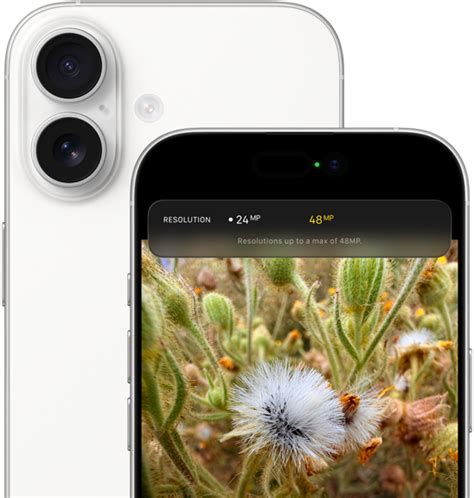
Real‑world use cases
How the iPhone 17 performs depends on the buyer’s lifestyle:
- Everyday user: For calls, messaging, social media, and occasional media playback, the iPhone 17 offers a smoother, more reliable experience than midrange alternatives. Battery and display quality make it comfortable for daily tasks.
- Mobile photographer/content creator: The camera and video improvements are valuable for vloggers and storytellers who want publishable content straight from the phone. Computational editing tools and fast export times reduce the need for a laptop.
- Power user/gamer: The chipset provides excellent performance for mobile games and productivity apps. Those who multitask extensively will benefit from the responsiveness and long OS support.
- Business user: Secure enclave, robust enterprise management, and timely updates make the device attractive for corporate deployments or users who need secure, long‑lasting devices.
Pros & Cons
- Pros:
- Consistently high performance and efficient power management
- Improved camera system with strong low‑light and video capabilities
- High‑quality OLED display with adaptive refresh for smooth interaction
- Long software support and strong ecosystem integration
- Refined design and improved durability
- Cons:
- Premium price relative to mainstream Android alternatives
- Limited customization compared with some Android flagships
- No significant battery capacity leap for power users who need multi‑day endurance
- Accessory-dependent features (MagSafe) add cost for full benefit
How the iPhone 17 compares
A side‑by‑side comparison helps buyers weigh priorities. The table below summarizes how the iPhone 17 stacks up against the immediate previous generation and a comparable Android flagship in broad categories.
| Model | Display | Performance | Camera | Battery & Charging | Value proposition |
|---|---|---|---|---|---|
| Apple iPhone 17 | 6.1" OLED, adaptive high refresh rate, high peak brightness | Next‑gen Apple silicon: strong single‑thread and sustained performance | Multi‑lens array with upgraded main sensor and advanced computational processing | Improved efficiency and full‑day real‑world life; fast wired and wireless charging | Best for users in Apple ecosystem who value longevity and camera quality |
| Apple iPhone 16 Pro | Similar OLED panel; slightly thicker bezels in some cases | Excellent performance but one generation behind | Very good camera performance; slightly fewer computational features | Good battery life; comparable charging options | Strong choice at lower price if found on discount or trade‑in |
| Flagship Android (example) | Large AMOLED with high refresh rate; often higher peak refresh rates on paper | Top‑tier multi‑core performance but different performance profile | Competitive camera systems, sometimes with more flexible zoom ranges | Often larger batteries and fast wired charging at higher wattages | Better hardware bang‑for‑buck in some regions; more customization |
Buying guide: What to consider before purchasing
Buying a flagship like the iPhone 17 is a considered decision. Below are the practical factors prospective buyers typically weigh.
1. Budget and true cost of ownership
Beyond the headline price, factor in storage tier (higher capacities increase cost), accessories (case, chargers, MagSafe attachments), and potential carrier subsidies. Trade‑in programs and seasonal discounts can reduce upfront cost, but total cost of ownership should include expected usage period—Apple’s long software support often makes the up‑front price more defensible over three to five years.
2. Which storage capacity?
Choose storage based on use patterns. Casual users who stream music and video and rely on cloud photo storage can get by with entry tiers. Content creators who shoot a lot of high‑quality video should opt for higher capacities. Consider whether cloud backups and offloading workflows are acceptable alternatives to local storage.
3. Carrier vs unlocked
Unlocked models offer flexibility for international travel and switching carriers. Carrier plans can provide installment payments or trade‑in credits but may lock features or make unlocking contingent on contract terms. Evaluate the local market and whether an unlocked device is worth the extra initial cost.
4. Are the camera upgrades meaningful?
If the buyer’s priority is better photos and videos without carrying extra gear, the iPhone 17’s camera improvements are worth considering. For those who already have a recent flagship that takes satisfactory photos, the upgrade may be less compelling.
5. Ecosystem and services
Users invested in Apple services (Apple Watch, iCloud, macOS/iPadOS workflows) get outsized value from an iPhone. Cross‑device continuity features are practical: unlocking a Mac, sharing files, and using AirDrop continue to be differentiators.
Shop the latest Mobile Phones picks on Amazon.
Shop Amazon →6. Alternatives
Consider prior iPhone models—discounted iPhone 15/16 series units can be excellent value. High‑end Android devices may offer faster charging, higher base RAM, and different camera hardware at similar or lower price points. Evaluate what aspect matters most: raw specs, OS preference, or ecosystem.
7. Warranty and support
AppleCare or equivalent extended warranty plans are worth evaluating if the user plans to keep the phone for many years or wants peace of mind against accidental damage. Apple’s support network and resale value are reliable factors that reduce long‑term ownership risk.
Final verdict: Is the iPhone 17 worth the price?
Whether the iPhone 17 is worth the price depends on the buyer’s priorities. For users who value camera quality, a smooth and long‑lasting software experience, and deep integration with the Apple ecosystem, the iPhone 17 presents a compelling package. Its incremental but meaningful improvements—display refinements, improved computational photography, and a more efficient chipset—translate into tangible benefits for everyday tasks and creative workflows.
For owners of very recent iPhones (one or two generations back), the upgrade may feel incremental rather than transformative; those users should weigh the cost against concrete benefits such as improved low‑light photos, marginally better battery life, or faster performance for specific apps. Price‑sensitive buyers or those who prefer customization may find greater value in older iPhones or competitive Android flagships.
In short: the iPhone 17 is a sensible buy for people who need a reliable, high‑quality smartphone that will remain current for years and who get practical value from Apple’s ecosystem. For everyone else, evaluating discounted previous models and top Android alternatives is advisable to ensure the best match between features and price.
Conclusion
The Apple iPhone 17 refines the flagship formula rather than reinventing it. Its strengths—polished design, dependable performance, and strong cameras—are exactly the qualities most buyers care about in daily life. The decision ultimately turns on individual priorities: if long‑term software support, ecosystem integration, and a consistently excellent camera experience are important, the iPhone 17 makes a strong case for its price. If the buyer’s needs focus primarily on the lowest upfront cost or highest hardware flexibility, there are worthy alternatives worth exploring.